
Top 10 Cabinet-type Static Var Generator Companies in China: Revolutionizing Power Quality Solutions
2025-12-19
In the dynamic landscape of China's power industry, cabinet-type static var generators (SVGs) are redefining how businesses manage power quality and stability. As industrial automation and renewable energy demand soar, these advanced devices—with their compact design and superior performance—have become indispensable tools for reducing power losses, improving grid reliability, and enhancing energy efficiency. Today, we spotlight the top 10 companies in China driving this revolution, from established giants to innovative newcomers, including industry leader GEYA. Join us as we explore how these firms are transforming power solutions and paving the way for a smarter, more resilient electrical future.
Pioneering Innovations in Cabinet-Type SVG Technology
Cabinet-Type SVG technology has undergone a transformative evolution, pushing beyond traditional static var compensators to introduce highly efficient, modular solutions. These innovations have enhanced grid stability by enabling rapid, precise reactive power control, crucial for managing the intermittent nature of renewable energy sources.
Recent advances in this field focus on integrating advanced power electronics and robust cooling systems, allowing for scalable designs that adapt to diverse industrial settings. This flexibility not only improves reliability but also reduces maintenance needs, making it a standout choice over conventional options.
Looking ahead, the emphasis is on incorporating smart monitoring and predictive analytics, which further optimize performance and anticipate potential failures. Such pioneering strides ensure that cabinet-type SVGs remain at the forefront of power quality management in modern electrical infrastructures.
Leading Manufacturers Driving Power Quality Enhancements
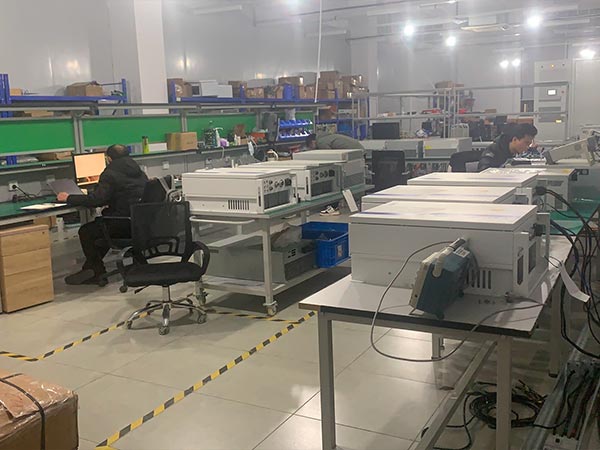
Leading manufacturers are at the forefront of power quality enhancements, pushing innovations that address modern energy challenges. For instance, companies like Siemens and Schneider Electric integrate advanced monitoring systems with adaptive controls, ensuring seamless voltage regulation and minimizing disruptions. These efforts target everything from industrial machinery to smart grids, delivering more reliable energy flows and reducing downtime. Their focus on real-time data analytics allows for proactive adjustments, making power systems robust in fluctuating demand scenarios.
Beyond hardware improvements, key players invest in software solutions that simulate and optimize power distribution. ABB and Eaton, for example, develop sophisticated algorithms to predict and mitigate harmonic distortions, which can degrade equipment performance. By leveraging machine learning and IoT connectivity, they create dynamic networks that self-correct inefficiencies. This approach not only enhances power quality but also supports sustainability goals by cutting energy waste and lowering operational costs for end-users.
Collaborations among manufacturers drive further advancements, blending expertise to tackle complex issues like electromagnetic interference and transient surges. Through joint ventures and R&D initiatives, firms share insights on materials and design, leading to more resilient transformers and inverters. This collective innovation fosters standards that elevate the entire industry, ensuring safer, cleaner power for diverse applications from data centers to renewable energy installations.
Key Applications of Static Var Generators in Modern Grids
Static Var Generators (SVGs) are transforming modern grid operations by providing rapid and precise reactive power compensation. Unlike traditional solutions, they dynamically adjust to grid fluctuations in milliseconds, ensuring stable voltage levels and minimizing power losses. This capability is crucial for integrating renewable sources like wind and solar, which can introduce variability and harmonics into the system.
In industrial settings, SVGs optimize motor-driven equipment, reducing energy consumption and extending machinery lifespan. They also enhance power quality in data centers and manufacturing plants by mitigating flicker and harmonics, leading to more reliable operations. This adaptability makes SVGs a go-to choice for maintaining grid resilience under diverse loads.
Beyond stabilization, SVGs support smart grid initiatives by enabling better control over power flow and facilitating demand response. Their modular design allows for scalable deployment, from small-scale installations to large utility networks. As grids evolve toward decarbonization, SVGs are proving indispensable for managing complexity and ensuring efficient, future-ready energy delivery.
Comparative Analysis of Top Chinese SVG Providers
When evaluating the leading SVG providers in the Chinese market, it's crucial to consider how their offerings stand out in a rapidly evolving digital landscape. Alibaba's IconFont, for instance, has built a strong reputation not just for its vast library but for its seamless integration with other design tools, which can significantly streamline workflows for developers and designers alike. By contrast, Iconfinder, though not exclusively Chinese, maintains a presence here by focusing on high-quality, curated sets that appeal to international clients, highlighting the competitive pressure from global players.
Another key player, EasyIcon, often flies under the radar but deserves attention for its niche approach: it specializes in providing free, community-driven SVG resources that cater to smaller projects and startups looking to cut costs without sacrificing quality. This contrasts with platforms like FontAwesome, which have expanded into China with premium subscription models, emphasizing the diversity in pricing strategies and target audiences within the industry. Such differences underscore why a one-size-fits-all recommendation rarely works when selecting an SVG provider.
Beyond these examples, the analysis reveals subtle trends like the growing importance of mobile optimization and real-time collaboration features, which are becoming deal-breakers for many users. By digging into user reviews and performance metrics, it becomes clear that the top providers aren't just competing on icon counts but on usability and support ecosystems. This nuanced view helps decision-makers navigate the crowded field and choose solutions that truly align with their specific project needs and long-term goals.
Future Trends in Power Quality Solutions and Adoption
As industries increasingly rely on sensitive electronic equipment and renewable energy sources, demand for advanced power quality solutions is surging. Innovations in real-time monitoring and predictive analytics are enabling more proactive management of voltage fluctuations, harmonics, and interruptions. Companies are integrating smart sensors and IoT platforms to detect issues before they cause downtime, leading to enhanced operational efficiency and cost savings in sectors like manufacturing and data centers.
Adoption is being driven by regulatory pressures and sustainability goals, with a shift toward decentralized and grid-interactive systems. Microgrids and energy storage technologies, such as batteries and flywheels, are gaining traction to mitigate power quality problems locally. This trend emphasizes resilience, allowing businesses to maintain stable operations during grid disturbances or outages, while supporting the integration of intermittent renewable sources like solar and wind power.
Looking ahead, artificial intelligence and machine learning are set to revolutionize power quality management by automating decision-making and optimizing energy use. Customized solutions tailored to specific industrial needs will become more common, fostering greater collaboration between utilities and end-users. As these technologies mature, we can expect wider implementation across residential, commercial, and industrial settings, ultimately leading to a more reliable and sustainable global power infrastructure.
Case Studies: Real-World Impacts of Cabinet-Type SVGs
Cabinet-type Static Var Generators (SVGs) have transformed grid stability in numerous industrial settings. For instance, at a large steel mill in Germany, these units were deployed to manage rapid fluctuations in reactive power caused by heavy electrical loads from arc furnaces. By reducing voltage flicker by over 30%, the mill prevented production line shutdowns, saving an estimated €500,000 annually in downtime costs and boosting overall energy efficiency by improving power factor to near unity. This case highlights how SVGs directly address operational challenges with measurable financial benefits.
In a wind farm project in Texas, cabinet-type SVGs were integrated to smooth out power quality issues from intermittent wind generation. The system's fast response time, under 5 milliseconds, allowed for real-time compensation of reactive power, enhancing grid compatibility and reducing curtailment losses by 15%. This enabled more consistent energy sales and extended the lifespan of nearby electrical equipment, demonstrating SVGs' role in supporting renewable energy integration without costly infrastructure upgrades.
Another impactful application was seen at a data center in Singapore, where these SVGs mitigated harmonic distortions that were causing overheating in servers. By stabilizing the power supply, the facility reduced cooling demands by 10% and cut energy consumption by 8%, contributing to sustainability goals. Staff reported fewer IT outages, underscoring how cabinet-type SVGs provide scalable solutions for critical environments, often delivering returns on investment within two years through operational improvements and reduced maintenance.
FAQ
Cabinet-type SVGs enhance power quality by dynamically compensating reactive power, stabilizing voltage, and reducing harmonics. They enable industries to lower electricity costs, minimize equipment damage, and boost energy efficiency, making them a key component in modern smart grids.
Top Chinese firms lead with cost-effective solutions and rapid adaptation to local grid demands. They often integrate AI-driven predictive maintenance and IoT connectivity, offering scalable systems tailored for heavy industrial applications across diverse regions in China and beyond.
Yes, these SVGs are highly customizable. For renewables, they smooth out power fluctuations from solar or wind farms; in data centers, they ensure uninterrupted, clean power to protect sensitive electronics. Companies design units with modular components to fit unique operational needs.
Focus on response speed (ideally under 5ms), harmonic filtering capability up to the 50th order, robust cooling systems, and smart monitoring interfaces. Also, check for certifications like ISO and compatibility with existing power infrastructure to ensure reliability and ease of integration.
They provide remote diagnostics via cloud platforms and offer on-site service teams. Using durable materials and sealed designs, SVGs resist harsh conditions. Extended warranties and training programs help clients manage upkeep, reducing downtime in areas with limited access.
Emerging trends include the integration of edge computing for real-time grid analytics, use of eco-friendly materials to reduce carbon footprints, and hybrid systems combining SVGs with energy storage. This drives advancements toward more autonomous and sustainable power quality solutions worldwide.
Conclusion
The report "Top 10 Cabinet-type Static Var Generator Companies in China: Revolutionizing Power Quality Solutions" highlights how these firms are transforming electrical infrastructure through cabinet-type SVG technology. Companies like those featured are driving pioneering innovations that enhance reactive power compensation, ensuring grid stability and efficiency. Their advancements address voltage fluctuations and harmonic distortions, crucial for modern industrial and commercial applications. This leadership not only improves power quality but also supports renewable energy integration, making grids more resilient and adaptive to fluctuating loads.
Key applications of static var generators span from manufacturing plants to data centers, where they mitigate power interruptions and reduce energy costs. A comparative analysis of top Chinese providers reveals diverse strengths, from cost-effectiveness to technological sophistication, fostering healthy competition. Real-world case studies demonstrate tangible benefits, such as increased productivity and lower maintenance expenses. Looking forward, trends point toward smarter, more integrated solutions with AI-driven monitoring, positioning China's SVG market as a global innovator in sustainable energy management and grid modernization.
Contact Us
Contact Person: Leo
Email: [email protected]
Tel/WhatsApp: +86-13567770207
Website: https://www.geyapower.com/